

Canvas & Wall Art
Canvas Roll
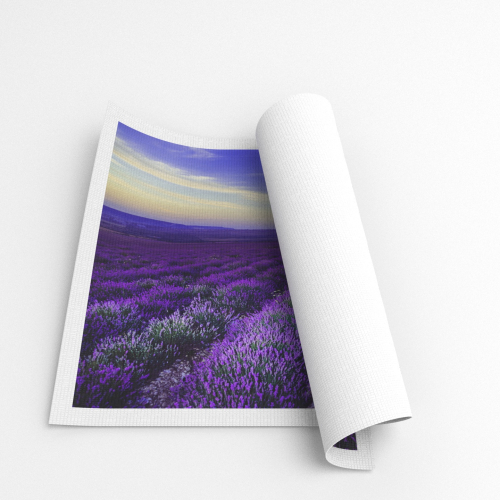
Canvas Wrap
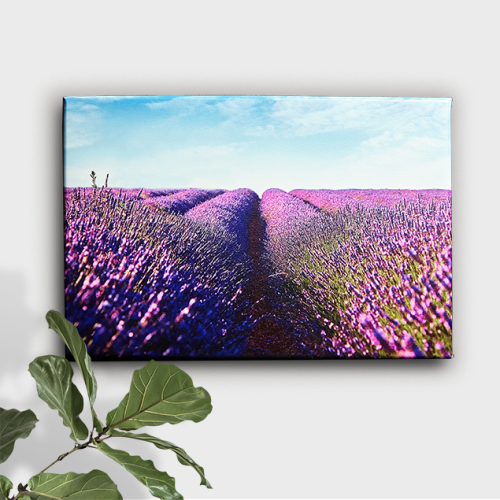
Aluminum Framed Canvas
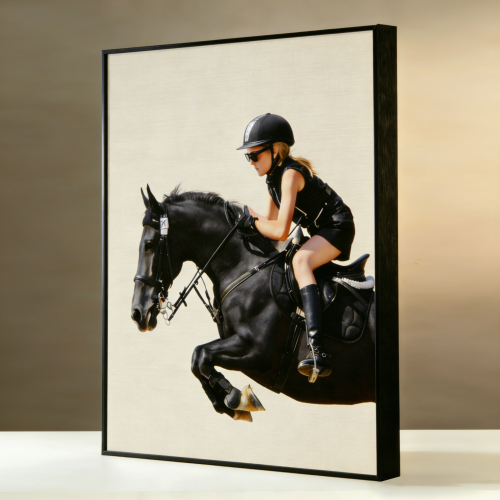
Pine Wood Framed Wall Art
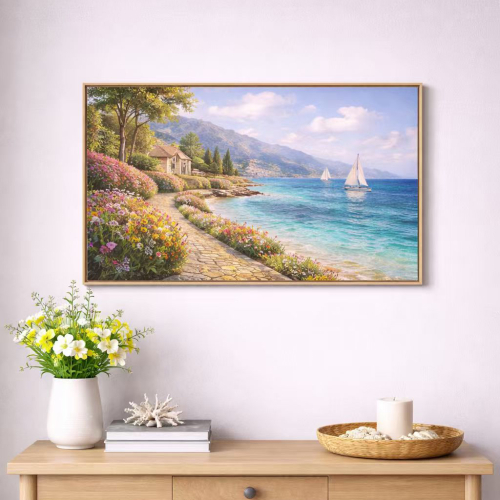
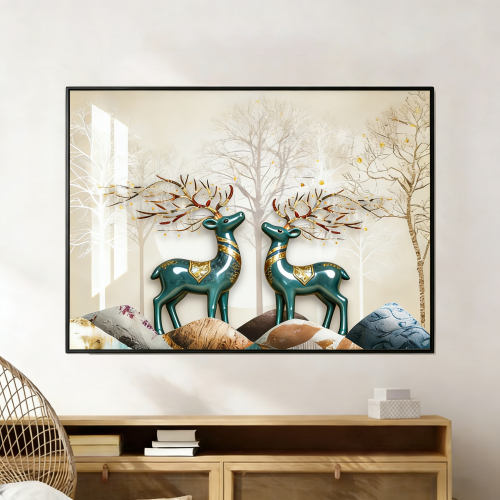
Aluminum Framed Crystal Porcelain Art
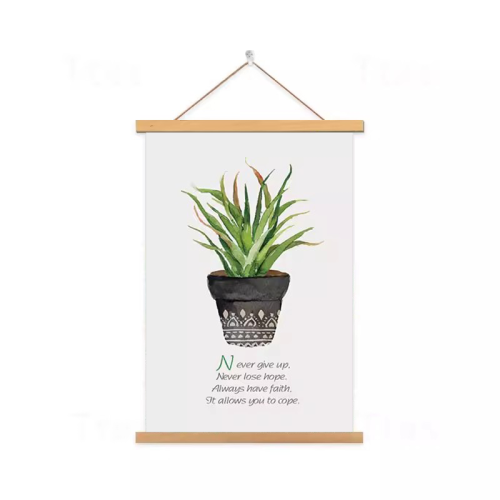
Magnetic Wood Frame Hanger
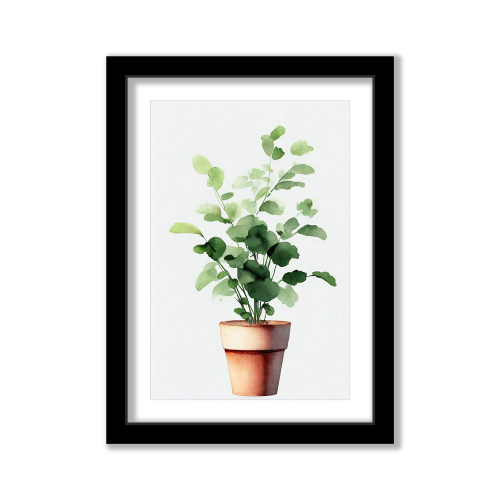
Framed Art
Wholesale Canvas Prints & Framed Wall Art for Trade Buyers
Custom wall art prints bring images, materials, and framing together to shape the appearance of an interior space. The finished result depends on how the artwork is reproduced, presented, sized, and positioned within its surroundings.
For trade buyers, a successful specification connects these visual choices with practical requirements for production, delivery, hanging, and care. This approach supports coordinated wall art for residential décor, office interiors, retail spaces, hotels, restaurants, and other commercial projects.
What Custom Canvas Prints and Framed Wall Art Does 777Sign Offer?
777Sign offers wholesale custom canvas prints, framed wall art, and magnetic wood frame hangers for print shops, art reproduction businesses, interior designers, agencies, and resellers. The category includes seven product options covering printed canvas, wrapped canvas, framed decorative artwork, and hanging displays.
Custom Canvas Roll Prints — 15 Mil
Custom canvas roll prints provide printed artwork on canvas for buyers arranging subsequent stretching or framing. 777Sign’s 15 mil canvas product lists a polyester-and-cotton blend and single-sided printing. This format suits projects where a print shop or framing business wants to manage the final presentation. Specify the intended finished image area and any additional canvas needed for later processing.
Gallery-Wrapped Canvas Prints
Gallery-wrapped canvas prints present artwork on canvas stretched around a support frame, with the canvas continuing around the sides. 777Sign’s Canvas Wrap product provides this dimensional presentation for photographs, reproduced artwork, and interior graphics. The exposed wrapped edges form part of the finished appearance, so the front image and side treatment need to be planned together.
Aluminum Framed Canvas Prints
Aluminum Framed Canvas is a framed canvas option within 777Sign’s wall art selection. It gives buyers a separate product choice when the project calls for an outer border around the artwork. Specify the required frame appearance, profile, and overall dimensions, and confirm the frame construction and finish for the selected configuration before ordering.
Pine Wood Framed Wall Art
Pine Wood Framed Wall Art provides a wood-framed product option for custom interior artwork. Buyers can consider it when coordinating a framed print with furniture, wood finishes, or an established decorative scheme. Review the available frame appearance and finished dimensions against the client’s requirements, particularly when several pieces will be displayed together.
Aluminum Framed Crystal Porcelain-Style Art
Aluminum Framed Crystal Porcelain Art is another framed decorative-art option in the category. Buyers evaluating this style can specify the desired image, frame appearance, and surface effect for the project. Confirm the actual print substrate, face finish, and frame construction when those details affect the selection, handling requirements, or presentation to the end customer.
Magnetic Wood Frame Hangers
Magnetic wood frame hangers use upper and lower wooden bars to hold a compatible printed graphic. They provide a display format with visible print edges between the bars. The product includes graphic and hanger configuration options, so confirm the selected combination when specifying a complete printed display or related hanging components.
Custom Framed Art Prints
Custom framed art prints combine a supplied design with a framed presentation for interior display. 777Sign’s Framed Art product is listed separately from its other framed canvas options. Buyers can use the selected configuration to define the artwork, frame appearance, and finished size, while confirming any protective face panel, backing, and hanging components included with that product.
How Do Canvas Rolls, Gallery Wraps, Framed Prints, and Poster Hangers Differ?
These formats differ in how the print is supported, how its edges are presented, and how much finishing remains after delivery. The choice affects both the appearance of the artwork and the work required from the buyer or installer.
Printed Canvas for Further Stretching or Framing
Printed canvas gives the buyer control over subsequent stretching and framing. This can fit a workflow in which a local framer or production team completes the artwork after printing.
Define that finishing process before preparing the file. Canvas intended to extend around a support frame needs material beyond the front-facing image. The required allowance depends on the chosen support depth and finishing method; it is not a universal margin for every order.
Gallery Wraps and Decorative Outer Frames
A gallery wrap describes how canvas extends around its support, while a decorative outer frame adds a visible border around the artwork. These features can appear together in a finished piece.
The supporting frame holds the canvas in position. An outer frame changes the artwork’s boundary, profile, and overall dimensions. Buyers comparing wrapped and framed products need to identify both structures rather than treating the word “frame” as a single specification.
Magnetic Hangers for Top-and-Bottom Display
Magnetic hangers hold the print at its upper and lower edges without enclosing all four sides. This presentation leaves the graphic visible between the wooden bars and creates a different visual outline from a conventional frame.
Check the graphic’s width, thickness, and weight against the selected hanger. The fastening method also differs from attaching a complete framed artwork to the wall.
How Do Print Surfaces and Frame Materials Affect the Finished Appearance?
Print surfaces affect texture and reflected light, while frames define the visual boundary around the image. Evaluating both helps buyers coordinate the artwork with its intended room, lighting, and viewing position.
Canvas Texture and Artwork Detail
Canvas texture becomes part of the visible image and can influence how fine detail appears. Photographs, illustrations, and reproduced artwork interact with that texture differently depending on their contrast, scale, and level of detail.
Review small lettering, thin lines, and detailed facial features at the intended output size. A textured surface can contribute to the desired presentation, but it cannot restore missing detail in a low-resolution source image. Select the medium with the artwork’s important features in mind.
Wood and Aluminum Frame Appearance
Wood and aluminum frame options offer different possibilities for coordinating the artwork’s border with the surrounding interior. The visible result depends on the frame’s color, profile, finish, and proportion to the image.
A broad border can become a prominent part of the composition, while a narrower profile gives more visual emphasis to the print. Compare the actual available frame finishes when matching a client’s furnishings. An aluminum frame designation describes the framing option; it does not establish that the image is printed on an aluminum panel.
Surface Finish, Reflections, and Room Lighting
Surface finish affects how the artwork reflects nearby windows and lights. A finish that looks suitable under diffuse lighting may show distracting reflections when positioned opposite a bright window or directional fixture.
Consider both the print surface and any protective face panel included in the selected product. For crystal porcelain-style art or other specialty presentations, confirm the actual surface characteristics before specifying the piece for a strongly lit location. Evaluate the intended viewing position as well as the room’s general lighting.
How Should Buyers Choose Wall Art Sizes and Layouts?
Buyers can choose wall art sizes by relating the finished artwork dimensions to the available wall area, surrounding furnishings, and intended composition. Establish these measurements before finalizing the image crop or coordinating multiple pieces.
Visible Image Size vs. Finished Outer Dimensions
Visible image size describes the artwork seen from the front, while finished outer dimensions describe the complete piece occupying the wall. A frame, wrapped edge, or other presentation component can change the relationship between these measurements.
Confirm which measurement a product’s size option represents before using it in an installation plan.
Portrait, Landscape, and Square Formats
Portrait, landscape, and square formats create different relationships between the image and its surroundings. Start with the original artwork’s proportions, then consider the wall shape and the furniture or architectural features nearby.
A change in aspect ratio may require cropping or a revised layout. Select from the dimensions supported by the chosen product, and establish whether preserving the complete image is more important than filling a particular wall area.
Single Pieces, Coordinated Sets, and Gallery Walls
A single piece creates one focal point, while coordinated sets and gallery walls distribute images across a larger arrangement. Plan the full composition using finished outer dimensions and the intended gaps between pieces.
For a coordinated series, establish shared features such as frame finish, image height, or color palette. Separate artworks can form a planned set even when ordered as individual products. For an image divided across several pieces, account for both the crop boundaries and the wall gaps.
How Can Trade Buyers Plan Wall Art for Residential and Commercial Projects?
Trade buyers can plan wall art projects by linking each design to a specific location, product format, size, and quantity. A shared specification helps print shops, designers, agencies, and resellers coordinate production with their customers’ interior plans.
Residential Décor and Art Reproduction Orders
Residential décor and art reproduction orders begin with the customer’s image and preferred finished presentation. A reseller supplying a family photograph, photographer’s print, or artist’s reproduction needs to establish the selected crop, output size, and framing requirements.
Agree on whether the customer expects printed canvas for further finishing or an assembled wall art product. Retain the approved source file and specification for future orders. This is particularly useful when the same artwork is sold in several sizes or frame configurations.
Office and Retail Interior Displays
Office and retail displays benefit from a coordinated specification across reception areas, meeting rooms, sales floors, and other customer-facing spaces. Different locations can use different images while retaining consistent frame finishes or dimensions.
Assign each artwork to its intended position before production. This helps prevent a portrait layout intended for a narrow wall from being confused with a landscape piece planned above furniture. Include any location-specific text or design variations in the artwork record.
Hotel, Restaurant, and Multi-Room Artwork Programs
Hotel, restaurant, and multi-room projects require clear allocation of artwork versions and quantities. Use an artwork schedule to connect each finished piece with its destination.
Keep this schedule alongside the approved files for repeat orders and replacements. Plan artwork approval, production, transit, and installation as separate stages. At 777Sign, production begins after the required files and approvals are complete and the order is released; shipping time is additional.
What Should Buyers Know About Hanging and Caring for Wall Art?
Hanging and care requirements depend on the finished product’s structure, weight, surface, and display environment. Confirm these details before delivery so the receiving customer can prepare the location and handle the artwork appropriately.
Included Hanging Components and Wall Compatibility
Included hanging components vary by product and configuration. Check which fittings arrive attached to the artwork and which wall fasteners must be supplied separately.
Choose the mounting method for the complete artwork weight and the actual wall construction. A hanger attached to the back of a piece does not establish that any nail or anchor is suitable for the installation. Magnetic poster hangers and framed artworks also require different handling during placement.
Indoor Placement and Environmental Exposure
Indoor placement affects the artwork’s exposure to sunlight, moisture, and heat. Select a location that meets the product’s care requirements, particularly near windows, heating equipment, or areas with changing humidity.
A durability claim for the print surface does not establish the same protection for the frame, backing, and assembled piece. Evaluate the complete product for the proposed room, especially when specifying artwork for hospitality spaces or locations subject to frequent cleaning.
Handling, Cleaning, and Storage by Surface Type
Handling and cleaning methods need to match the canvas, frame finish, and any protective face panel. Support assembled pieces by their structure and avoid pressing against the printed surface.
Follow the product’s instructions for dust removal and cleaning rather than applying one method to every wall art format. During temporary storage or transport, protect surfaces and corners from contact and abrasion. Keep the care information with the project specification so it can be passed to the customer or site maintenance team.