

Adhesive Vinyl
Kiss-cut Stickers
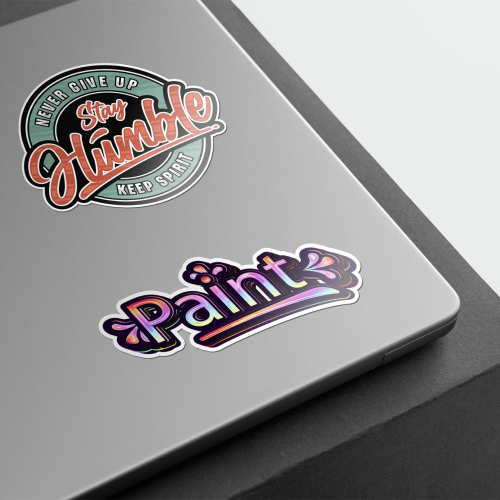
4Mil Adhesive Vinyl
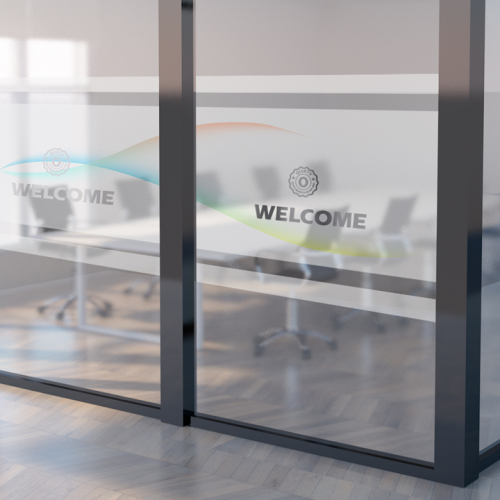
Etched Frosted Vinyl
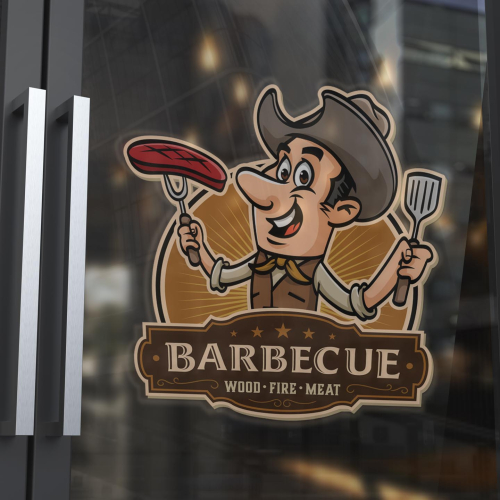
Clear Vinyl Diecut
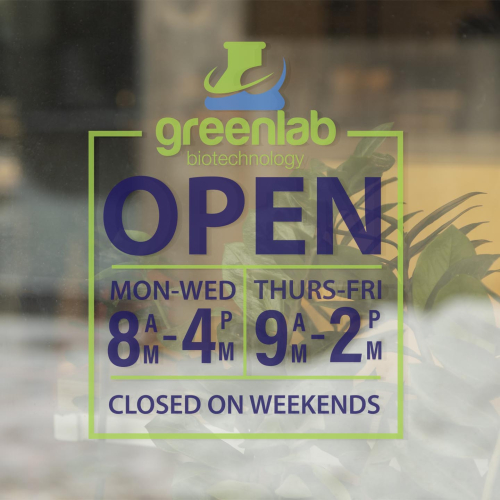
Reflective Adhesive Vinyl
Window Perf
Indoor Wall

White Window Cling
Vinyl Banner
13oz Vinyl Banner

18oz Vinyl Banner

Wholesale Adhesive Vinyl Graphics & Decals for Trade Buyers
Custom adhesive vinyl graphics turn compatible surfaces into spaces for branding, advertising, and commercial information. Selecting the right graphic involves matching the material and adhesive to the surface, choosing the intended visual effect, and defining how the finished design will be printed, cut, and installed. For trade buyers, these decisions also shape project cost, maintenance, and eventual removal or replacement.
What Adhesive Vinyl Graphics and Decals Does 777Sign Offer?
777Sign provides custom stickers, standard adhesive vinyl, frosted and clear graphics, air-release films, reflective graphics, perforated window graphics, and indoor wall graphics. White static cling is available as a related window display option. These products support print shops, sign shops, agencies, and resellers sourcing graphics for commercial projects.
Custom Kiss-Cut Stickers
Kiss-cut stickers have cuts through the face material and adhesive while leaving the backing liner intact. This format allows a shaped sticker to remain on a larger backing for handling and peeling.
777Sign’s sticker collection includes standard kiss-cut stickers and holographic kiss-cut stickers for branded promotions. Specify the required dimensions, quantity, and backing format when planning distribution or application.
4 Mil Adhesive Vinyl Graphics
4 mil adhesive vinyl provides a material option for custom promotional graphics and contour-cut designs. Business logos, retail messages, and identification graphics can be sized around the available display area. Select the material for the actual receiving surface, including its coating and condition, rather than treating standard adhesive vinyl as suitable for every installation.
Etched Frosted Vinyl Graphics
Etched frosted vinyl creates a frosted-glass appearance on compatible glazing. It is relevant to office branding, glass partitions, and storefront designs that need to obscure a direct view while admitting light. Printed or shaped graphics can incorporate branding into the frosted area. The effect comes from the applied film; it does not require etching the glass.
Clear Vinyl Die-Cut Graphics
Clear vinyl graphics allow unprinted areas of the transparent film to reveal the background. They suit glass logos and designs where a solid white rectangle would interrupt the display. The background influences how printed colors appear, so evaluate the artwork against the intended installation surface and confirm the available ink configuration before production.
Air-Release Vinyl Graphics
Air-release vinyl has channels in the adhesive surface that help trapped air escape during application. 777Sign lists three options: 3M air-release vinyl, 4 mil air-release vinyl, and Arlon air-release vinyl.
Choose among them using the specific film specification and project requirements. Air-release functionality alone does not establish suitability for complex vehicle curves, long-term removal, or repeated repositioning.
Reflective Adhesive Vinyl Graphics
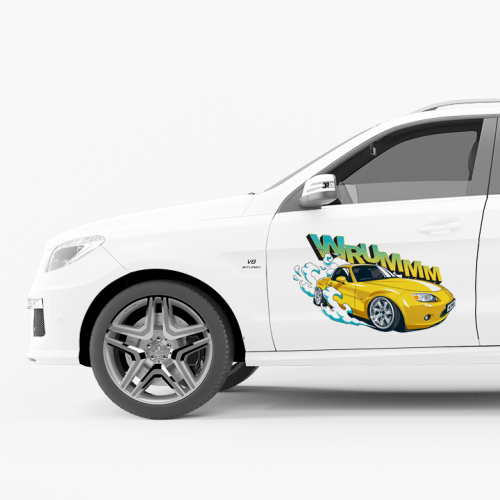
Reflective adhesive vinyl returns incident light toward its source, making graphics more noticeable under suitable illumination. It provides a distinct effect for commercial signs and branding viewed under directed light. Reflective material needs incoming light to produce this effect; it does not illuminate itself. Confirm any required performance classification separately.
70/30 Perforated Window Graphics
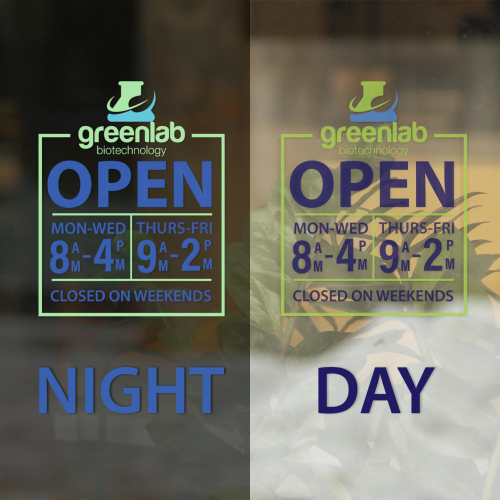
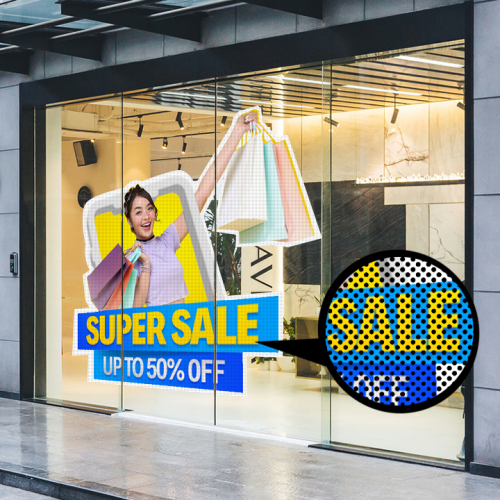
777Sign lists a 70/30 perforated window graphic option for storefront and related glass displays. Perforations allow views through the film while its printable areas carry the advertising image. This makes the material relevant when a project needs both window coverage and outward visibility. The resulting view depends on the graphic, lighting, and installation conditions.
Indoor Wall Graphics
Indoor wall graphics add logos, promotional imagery, and branded messages to commercial interiors. 777Sign specifies smooth indoor wall and door surfaces for this product. Large graphics may require multiple panels, so the design and installation plan need to account for joins, alignment, and the available uninterrupted wall area.
White Static Cling Window Graphics
White static cling provides a window graphic option without a pressure-sensitive adhesive layer. It is useful to consider promotional displays that need removal or replacement on suitable smooth surfaces. Its white background gives the design a different appearance from clear film. Surface condition and handling affect whether a removed graphic remains suitable for reuse.
Which Vinyl and Adhesive Suit Your Application?
Choose vinyl by checking the receiving surface, its condition, the graphic’s required shape, and the intended display period. A film selected for a smooth sign panel does not automatically suit painted walls or curved vehicle bodywork.
Check Glass, Metal, and Plastic Surface Compatibility
Check the exact surface and coating before choosing an adhesive film. Clean, smooth glass and coated metal may be suitable for many products, but contamination, existing treatments, and damaged finishes can affect adhesion.
Plastic surfaces require particular attention to the plastic type. Some plastics are difficult to bond to and need a film specifically approved for that application. Test the proposed material on a representative area when compatibility is uncertain.
Match Wall Graphics to Paint and Surface Texture
Match wall graphics to the paint system, curing condition, and surface texture. A wall that feels dry is not necessarily ready for a graphic, and two similar-looking paints can produce different adhesion results.
Follow the paint and film manufacturers’ requirements and test the intended combination. Keep 777Sign’s smooth-surface wall product within its stated application range; textured walls require a separately verified solution.
Confirm Film Suitability for Vehicle Panels and Curves
Confirm the film’s approved applications before using it on a vehicle. A door logo on a relatively flat panel presents different demands from graphics stretched into recesses or around compound curves.
Identify the film series, paint condition, required conformability, and intended removal period. A brand name or air-release feature is insufficient to determine whether a material suits a full vehicle wrap.
Separate Adhesive Strength, Repositionability, and Removability
Adhesive strength, repositionability, and removability describe different aspects of a film’s behavior. Repositionability concerns adjustment during installation. Removability concerns taking the graphic off under specified conditions after use. Final adhesion describes the bond developed on the receiving surface.
For short promotions, confirm the removal conditions. For longer displays, assess bond performance and exposure as well as the eventual replacement plan.
How Do You Choose Graphics for Storefront Windows?
Choose storefront graphics according to the desired image coverage, view through the glass, viewing direction, and replacement schedule. These requirements distinguish clear, frosted, perforated, and white graphics.
Compare Clear, Frosted, Perforated, and White Graphics
Compare window materials by what people need to see through the glass and how prominently the graphic must appear. Admitting daylight and preserving a clear view are separate goals.
A sample viewed at the intended location can help resolve choices that are difficult to judge from artwork on a screen.
Specify the Application Side and Viewing Direction
Specify where the graphic attaches and where the audience stands. A graphic applied outside the glass and read from outside has different production requirements from one applied inside and read through the glass.
Internal application may require reversed artwork and a suitable ink or backing configuration. Confirm that the selected product supports the intended arrangement before submitting files; reversing the artwork alone may not produce the required appearance.
Consider Static Cling for Changing Promotions
Consider static cling when a promotion needs easy replacement on suitable smooth glass. Its lack of an adhesive layer distinguishes it from removable adhesive vinyl.
Plan for clean application, careful removal, and suitable storage between uses. Reuse depends on the film remaining clean and undamaged, so it is not an unlimited capability for every graphic or surface.
How Are Vinyl Graphics Printed, Cut, and Supplied?
Vinyl graphics are supplied according to the selected material, printed artwork, cut path, backing format, and finishing instructions. Confirming these details helps buyers understand how much preparation remains before installation.
Define the Printed Artwork and Finished Cut Shape
Define both the visible artwork and the final cut outline. A printed logo can sit inside a rectangular graphic or follow a custom contour; these choices change its appearance and handling.
Keep essential text clear of the cut boundary and check small details against production requirements. Use 777Sign’s die-cut instructions for file preparation rather than assuming every narrow line or intricate shape can be produced at any size.
Distinguish Kiss Cuts, Contour Shapes, and Backing Format
Kiss cutting describes cut depth, while contour cutting describes the path around a design. These terms do not, by themselves, specify whether graphics arrive individually separated or together on a larger liner.
State whether the job needs individual pieces or multiple graphics on a shared backing, then confirm the available delivery format. This matters for promotional handouts, installation kits, and jobs that require further preparation at a sign shop.
Confirm Weeding and Transfer Tape Requirements
Weeding removes unwanted vinyl around the retained design. Transfer tape temporarily holds separate elements in position while they move from the liner to the installation surface.
Several 777Sign contour-cut product pages specify cut-only supply without weeding or transfer tape. Confirm the selected product’s finishing before quoting an installation. A one-piece printed sticker may be applied without transfer tape, while separated lettering or design elements can require a carrier.
Plan Large Graphics, Panels, and Finish Options
Plan large graphics around material limits, panel divisions, and the intended installation sequence. Place joins where they cause the least disruption to text and important visual details.
777Sign’s indoor wall product states that graphics exceeding its listed height limit are divided into multiple pieces. Confirm final panel dimensions and any overlap requirements. Lamination and other finishes also depend on the product; do not assume the same options apply to clear, reflective, perforated, and cling materials.
What Affects Installation, Removal, and Outdoor Service Life?
Graphic performance depends on the complete material and print system, the receiving surface, installation conditions, environmental exposure, and care. These factors determine how well the graphic adheres, maintains its appearance, and comes off later.
Follow Film-Specific Surface Preparation and Application Methods
Follow the selected film’s preparation and application instructions. Remove contaminants using a compatible method, check the surface condition, and work within the specified installation conditions.
Dry and wet application methods are not interchangeable across all films. Air-release products in particular require attention to their application instructions. Large panels, complex shapes, and difficult access can also require an experienced installer and suitable equipment.
Evaluate Weather Exposure, Printing, and Lamination Together
Evaluate outdoor performance using the film, adhesive, ink, and any compatible overlaminate as a system. Sun exposure, orientation, temperature, moisture, and cleaning practices vary between installations.
A manufacturer’s durability rating for unprinted film is not automatically the life expectancy of a finished graphic. Confirm the conditions behind any quoted service period, including the exposure and print configuration.
Plan Removal Without Promising Damage-Free Results
Plan removal around the film type, time in service, and condition of the underlying surface. Aging adhesive and weak or incompletely cured paint can make removal more difficult.
Use removal methods approved for both the graphic and substrate. A removable adhesive does not establish a universal guarantee against residue or surface damage. Include removal requirements in the original material selection when a campaign has a defined end date.
Frequently Asked Questions About Adhesive Vinyl Graphics and Decals
These answers clarify common terms and help buyers check product suitability before ordering.
What Is the Difference Between Vinyl Stickers and Decals?
The terms overlap in commercial use. A sticker often refers to a printed adhesive graphic, while decal may also describe lettering or graphics transferred into position. Confirm the material, cut format, and application method instead of relying on the product name alone.
Does Air-Release Vinyl Also Mean Removable Vinyl?
No. Air-release channels help air escape during installation. Removability is a separate property governed by the adhesive, surface, time in service, and specified removal conditions.
Is Static Cling an Adhesive Vinyl Product?
Static cling does not use a pressure-sensitive adhesive. It is a related graphic option for suitable smooth surfaces, particularly glass, with different application and handling requirements from adhesive vinyl.
Do All Vinyl Graphics Require Transfer Tape?
No. Many one-piece stickers can be peeled from their backing and applied directly. Transfer tape is useful when separate letters or shapes must retain their spacing during installation. Confirm whether it is needed and included for the selected product.
Can Perforated Window Graphics Provide Privacy at Night?
Privacy is not guaranteed at night. Conventional perforated graphics can become easier to see through from outside when the interior is brighter than the exterior. Assess both daytime and nighttime lighting before selecting a film for privacy.