
Adhesive Products
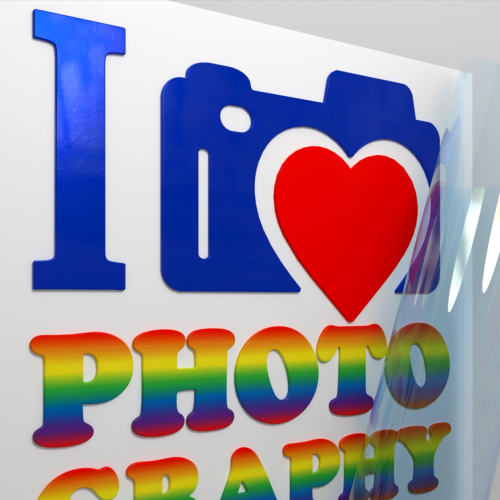
3D UV Transfer Adhesive
Holographic Adhesive Vinyl
Adhesive Clear Vinyl
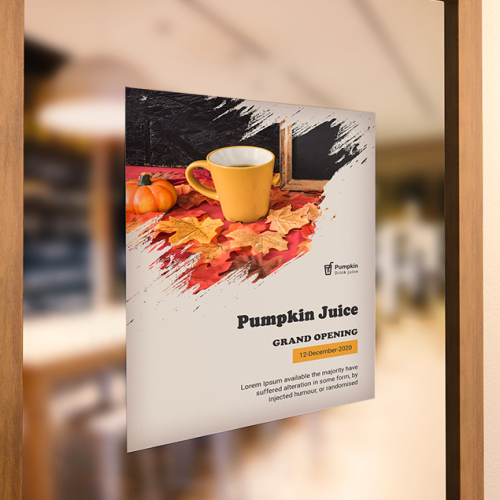
Adhesive Window Perf
Adhesive Outdoor Wall
Adhesive Indoor Wall
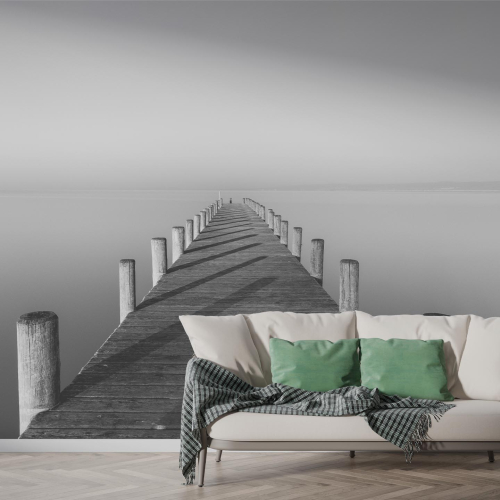
Adhesive Skidless Ground
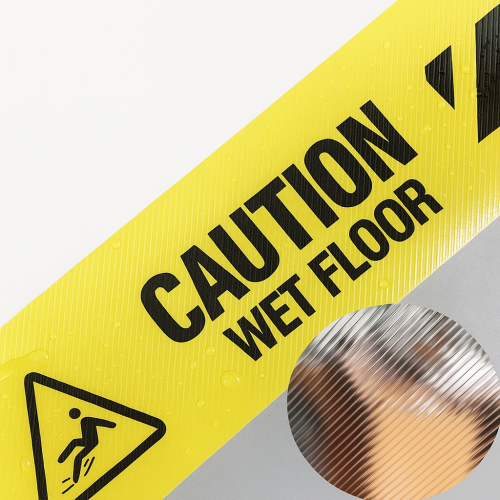
Adhesive Translucent
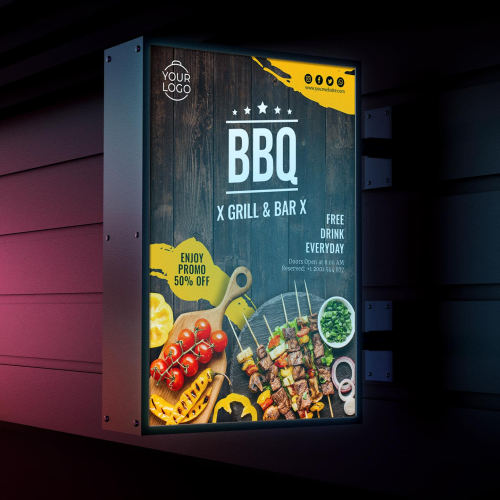
Wholesale Adhesive Graphics & Specialty Vinyl for Trade Buyers
Custom adhesive graphics combine printed designs, material effects, and surface adhesion to communicate a brand’s message across commercial spaces and promotional items. Their performance depends on how the graphic interacts with light, bonds to its receiving surface, and withstands the conditions of use.
What Custom Adhesive Graphics and Specialty Vinyl Products Does 777Sign Offer?
777Sign offers wholesale custom adhesive graphics across standard and specialty vinyl, window graphics, indoor and outdoor wall graphics, floor graphics, translucent sign graphics, and 3D UV transfer graphics. The selection includes the following products and material options.
3D UV Transfer Graphics
3D UV transfer graphics provide a transfer-based option for custom branding designs. The product appears in this category as 3D UV Transfer Adhesive. Buyers considering this format for logos or decorative brand elements can specify the receiving object, artwork dimensions, and expected handling when discussing the project. Confirm the product’s application instructions and surface compatibility before planning a production run.
Standard Adhesive Vinyl: White and Gray Backing
Standard adhesive vinyl is available in 4 Mil. White Backing and 4 Mil. Gray Backing options for custom printed graphics. These are separate ordering choices within the category. Include the selected backing option in the project specification, especially when reordering an existing design or comparing materials for the same display. Check the chosen product’s finish and exposure limitations against the intended application.
Frosted adhesive vinyl adds a frosted-glass appearance to printed graphics for compatible glass applications. 777Sign lists a 2.5 Mil. Frosted option within its adhesive vinyl selection. This material is relevant to projects that combine business identification with a softened glass appearance, such as branded glazed partitions. The required level of obscuration remains a separate selection consideration.
Holographic Adhesive Vinyl
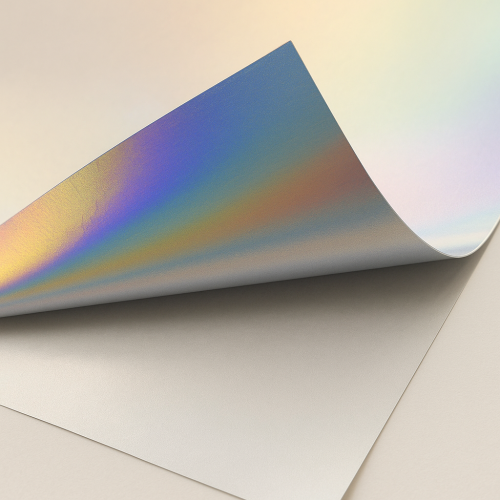
Holographic adhesive vinyl combines custom printing with a rainbow-like, shifting background effect. It provides a decorative material choice for promotional branding and display graphics where the surface itself contributes to the design. Artwork coverage determines how much of that background remains visible, so buyers can plan the printed image and exposed holographic areas together.
Clear Adhesive Vinyl
Clear adhesive vinyl uses a transparent film base for graphics that allow the receiving background to remain visible through unprinted areas. 777Sign offers a 4 mil clear option. This format is relevant to glass and other compatible smooth surfaces where the design needs to incorporate the background. Printed contrast and the treatment of white artwork areas require particular attention.
Air-Release Adhesive Vinyl: 3M, Arlon, and 4 Mil Options
Air-release adhesive vinyl is available through three product options: 3M, Arlon, and 4 mil Air Release. These give buyers distinct choices when specifying graphics with an air-egress feature. Match the actual film and adhesive specifications to the installation; a brand name or thickness alone does not establish suitability for every surface or shape.
Perforated Window Graphics
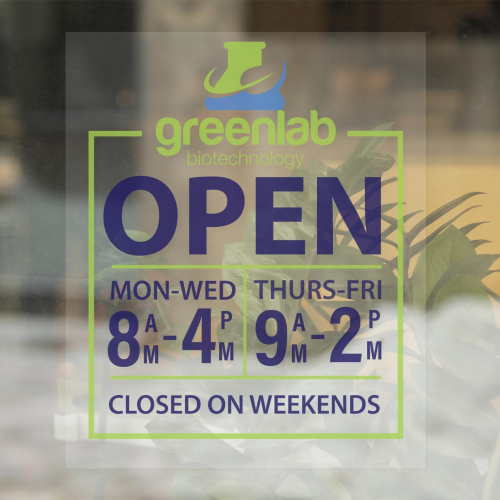
Perforated window graphics combine a printed image with openings through the film. Listed as Adhesive Window Perf, this product serves window advertising projects that also require some visibility through the covered glass. Storefront promotions and branded window displays are relevant applications, with the final viewing effect dependent on the installation’s lighting and design.
Outdoor Wall Graphics
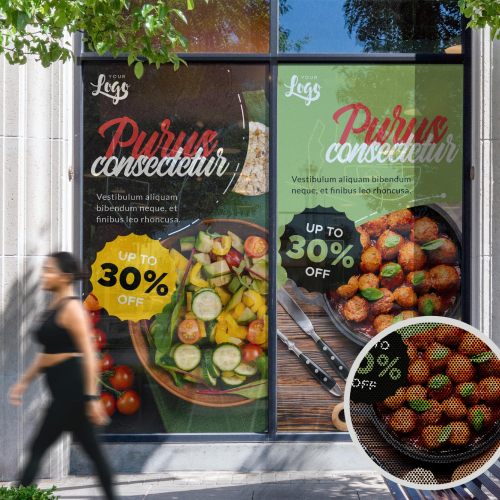
Outdoor wall graphics provide a dedicated option for exterior wall advertising. The category links to 777Sign’s Rough Wall Stickers product, which is designated for outdoor use and rough surface applications. This product gives buyers a starting point for exterior branding projects where a standard smooth-surface graphic may not meet the installation requirements.
Indoor Wall Graphics
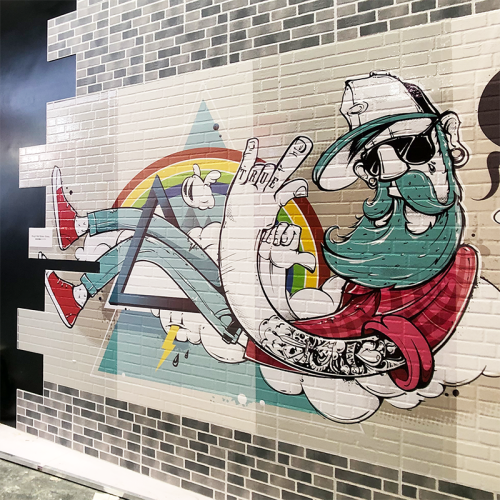
Indoor wall graphics support custom branding on compatible smooth indoor walls and doors. Applications can include reception graphics, retail messaging, and branded office interiors. 777Sign limits this product to smooth indoor wall or door surfaces, making the wall finish an essential part of the specification before artwork is sized for the space.
Skid-Resistant Floor Graphics
Skid-resistant floor graphics place printed promotional or directional messages on compatible floor surfaces. 777Sign lists this option as Adhesive Skidless Ground, with a 3.5 mil product designation. Buyers can consider it for floor-based communication while checking the specific floor finish, traffic conditions, and any slip-resistance documentation required by the installation site.
Translucent Adhesive Vinyl Graphics
Translucent adhesive vinyl graphics transmit light for use on compatible illuminated sign faces. They are relevant to backlit commercial signage where the printed design needs to remain visible when the sign is illuminated. This is an adhesive graphic material; its finished appearance depends on the sign face and the separate lighting system behind it.
Which Vinyl Graphics Provide the Right Visibility and Visual Effect?
The appropriate visual effect depends on whether the graphic must cover a background, reveal it, obscure a view, introduce a decorative finish, or transmit backlighting. Select the optical function before comparing installation features.
Standard vs. Clear Vinyl for Background Visibility
Standard vinyl provides a solid visual base, while clear vinyl allows the background to contribute to the graphic. Clear areas can preserve a view through glass, but colored printing may appear different against light, dark, or changing surroundings. Assess opacity separately when the project involves covering existing graphics; the backing option alone does not establish a verified blockout rating.
Frosted vs. Perforated Graphics for Glass
Frosted graphics create a diffused glass appearance, while perforated graphics use openings to support visibility through a printed area. A frosted partition and an advertising window therefore have different viewing objectives. Perforated film’s one-way viewing effect depends on relative lighting and should not be specified as guaranteed nighttime privacy when the interior is illuminated.
Holographic Vinyl for Decorative Brand Effects
Holographic vinyl introduces a changing color effect that responds to lighting and viewing angle. Use exposed material areas deliberately around logos, promotional shapes, or graphic accents. Dense artwork can reduce the visible effect, while small text still needs sufficient contrast against the shifting background.
Translucent Vinyl for Backlit Sign Faces
Translucent vinyl supports graphics viewed with light passing through the sign face. Evaluate the artwork under both illuminated and unilluminated conditions, since backlighting affects perceived brightness and color. Clear film’s transparency and translucent film’s backlit display function serve different design needs and are not automatically interchangeable.
How Should You Select Graphics for Walls and Floors?
Select wall and floor graphics by the actual receiving surface, its coating, and its condition, then match the product to indoor or outdoor use. A location description such as “retail wall” or “store floor” does not provide enough information to establish adhesive compatibility.
Indoor Wall Graphics for Smooth Painted Surfaces and Doors
Indoor wall graphics require a compatible smooth wall or door finish. Record the paint or coating type and follow its curing requirements before evaluating adhesion. A smooth appearance alone does not establish that a coating will accept the graphic.
777Sign does not recommend this wall product for oil-based painted surfaces and calls for compatibility testing before installation. For a reception logo or a large retail mural, use a representative test area to assess the actual coating. Large layouts also require installation planning and suitable tools to maintain alignment across the design.
Outdoor Wall Graphics for Rough Surface Applications
Outdoor rough-wall graphics require a surface that the selected material can adhere to under exterior conditions. Describe the texture and coating when specifying the project, and identify loose paint, powdery deposits, moisture, or deteriorating areas that need assessment before application.
The outdoor wall product is also not recommended for oil-based painted surfaces. Its stronger adhesive does not establish compatibility with every textured wall. For an exterior promotion, evaluate the actual substrate and exposure together instead of selecting solely by the “rough wall” description.
Floor Graphics for Retail Promotions and Wayfinding
Floor graphics require compatibility with the floor finish and the conditions under which people walk across the graphic. Identify the flooring material, surface treatment, expected foot traffic, cleaning routine, and potential moisture exposure before choosing a construction.
For aisle directions, queue markers, or promotional messages, readable artwork is only one part of the specification. Ask for relevant slip-resistance information and confirm that it applies to the proposed finished product and use conditions. The word “skidless” in a product name is not a substitute for site-specific performance documentation.
When Should Buyers Consider 3D UV Transfer Graphics?
Buyers can consider 3D UV transfer graphics when a project calls for transferring individual printed brand elements onto a compatible object. Evaluate this format separately from large-area vinyl applications because the transfer process and receiving surface create different requirements.
UV Transfer Graphics vs. Printed Vinyl Decals
UV transfer graphics generally leave the printed design on the receiving object after a temporary carrier is removed. A printed vinyl decal retains its vinyl film as part of the applied graphic. This distinction affects the finished appearance around separate letters, logos, and decorative elements.
The general transfer process does not establish the exact construction of every product. Confirm 777Sign’s supplied format and instructions before preparing artwork or planning application.
Confirm the Receiving Surface and Intended Use
The receiving object’s material, coating, shape, and handling conditions determine whether a transfer graphic is a suitable candidate. Supply these details with the intended graphic size, particularly for small logos or narrow design elements.
Evaluate a representative application before committing to a larger run. Projects involving frequent washing, abrasion, or specialized contact conditions require product-specific confirmation rather than assumptions based on the UV transfer name.
What Do Air-Release Features and Adhesive Properties Mean for Application?
Air-release features help trapped air escape during application, while adhesive properties determine positioning behavior, bonding, and removal characteristics. These attributes answer different installation questions and need to be specified separately.
Air Release vs. Repositionability and Removability
Air release describes channels that help installation air exit from beneath the film. Repositionability describes whether the graphic can be adjusted during placement, and removability describes its behavior when later taken off the surface.
A film can provide air release while using a permanent adhesive. Buyers therefore need separate answers about adjustment during installation and removal after use. Air-egress features can assist an installer, but surface preparation, application technique, and the graphic’s size still affect the result.
Match Film Conformability and Adhesion to the Surface
Film conformability determines which shapes a graphic can accommodate, while adhesion depends on the adhesive and receiving surface. Flat panels, simple curves, and deep recesses place different demands on the material.
For curved or vehicle-related projects, provide the specific surface geometry and request the actual film series and application limits. The 3M or Arlon name alone does not identify a particular construction or verify suitability for a full wrap. Use the confirmed product specifications to define what the installation can support.
How Should Trade Buyers Specify Custom Graphics for Production?
Trade buyers can turn a customer brief into a production specification by defining the material, dimensions, quantity, artwork, finishing, and intended application. Print shops and resellers can use that specification to compare options and keep repeat orders consistent.
Define Dimensions, Quantities, and Panel Layouts
A production specification needs finished dimensions, units, orientation, quantities, and a clear assignment of each artwork version. Record these details for each location or design in a multi-store campaign.
For large windows and walls, confirm the available production width and plan panel divisions before finalizing artwork. Identify seams, alignment points, and any required overlap with the installer. Keep critical text and logos clear of divisions where practical. Published material dimensions do not by themselves establish the dimensions of every available finished graphic.
Build the delivery schedule around artwork readiness, production, and shipping as separate stages. 777Sign’s production timing begins after the required files and approvals are complete and the order is released to production; transit time is additional.
Prepare Artwork for the Material and Viewing Direction
Artwork needs to account for the material’s background, the viewing side, and the way light reaches the graphic. For clear and holographic materials, specify which areas should reveal the substrate and verify how white design elements will be produced. Confirm white-ink availability and any reverse-print configuration for the selected product before preparing those files.
777Sign recommends print-ready PDF artwork and CMYK preparation. Exact brand-color matching is not offered. Review text, dimensions, and image quality before submission, and evaluate QR codes against the intended size and background.
Confirm Cutting, Lamination, and Transfer Requirements
Finishing specifications need to identify which cutting, lamination, weeding, and application-tape services are included. Weeding removes unwanted material around a cut design; application tape holds separate elements in position for placement. Availability varies by product.
For eligible custom-cut orders, follow 777Sign’s guide for separate artwork and vector cutline files with matching dimensions and orientation. Use closed, continuous cut paths and the specified bleed and safe area. Treat UV transfer preparation according to that product’s instructions.
When an email proof is available and selected, the buyer reviews and approves it. Proof approval does not mean 777Sign has corrected the artwork or verified its content.