

Dry Erase Products
A-Frame

3/16" Foamcore

1/2" Foamcore

4 mil Adhesive Vinyl

1/8" PVC
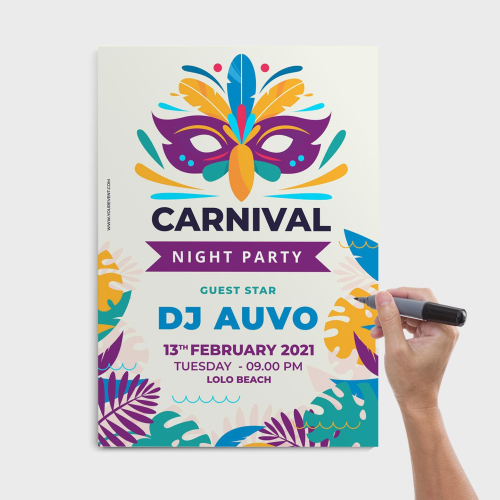
3/16" Coroplast

30 mil Magnet

9 mil. Poster Paper
Wholesale Dry Erase Signs & Prints for Trade Buyers
Custom dry erase signage combines a consistent printed design with information that can be written, erased, and updated as business needs change. For print shops, sign shops, agencies, and resellers, an effective display brings together the right format, a compatible writing surface, and a layout suited to repeated use. Material selection, installation, and routine care determine how that display works in everyday settings, from customer-facing promotions to internal planning and presentations.
What Custom Dry Erase Signs and Prints Does 777Sign Offer?
777Sign’s dry erase range includes eight product options: A-frame signs, two foamcore board thicknesses, adhesive vinyl, PVC boards, Coroplast signs, magnetic signs, and poster prints. These formats support different display arrangements, including freestanding signs, mounted boards, and graphics applied to existing surfaces. Confirm the dry erase finish and required print configuration for the selected product.
Custom Dry Erase A-Frame Signs
Custom dry erase A-frame signs provide a freestanding format for messages that staff update throughout the day. A printed business name or heading can remain in place while handwritten information changes. The listed model is specified for indoor use, making it an option to evaluate for reception areas, retail interiors, and event spaces. Check current availability and confirm which faces are printed and writable.
3/16-Inch Dry Erase Foamcore Boards
The 3/16-inch dry erase foamcore option provides a lightweight board for indoor presentations and informational displays. It can be evaluated for easel-supported graphics or wall-mounted message boards where convenient handling matters. The product specifications identify indoor-only use and state that the board is not waterproof. Its foamcore construction supplies the panel structure; the finished face supplies the writing surface.
1/2-Inch Dry Erase Foamcore Boards
The 1/2-inch dry erase foamcore option offers a thicker panel for indoor printed displays. Buyers can select this format when panel depth matters to a presentation, frame, or mounting arrangement. Check that the holder accommodates the finished board thickness. Like the thinner foamcore option, this product is specified for indoor use and is not waterproof.
4 Mil Dry Erase Adhesive Vinyl
The 4 mil dry erase adhesive vinyl option places a printed writing surface on a compatible existing panel or other smooth mounting surface. It suits projects where the receiving surface provides the physical support. The product uses permanent adhesive and cannot be removed and reapplied after installation. Repeated use therefore means updating the handwriting while the graphic remains installed.
1/8-Inch Dry Erase PVC Boards
The 1/8-inch dry erase PVC option combines an expanded PVC panel with a writable finished graphic. It provides a board format for commercial information displays, planning layouts, and mounted messages. The product lists indoor and outdoor use, although exposure requirements still need to match the finished sign. Confirm the dry erase configuration when specifying the panel.
3/16-Inch Dry Erase Coroplast Signs
Dry erase Coroplast signs use corrugated plastic board to support a custom printed message area. This format can serve temporary promotions, event information, and other displays with changing handwritten content. The product page lists compatibility with wire stakes and metal frames. Confirm the supplied panel thickness, holder fit, and any required accessories when planning the installation.
30 Mil Dry Erase Magnetic Signs
The 30 mil dry erase magnetic option combines a printed writing face with a magnetized backing. It allows a reusable message graphic to attach to a compatible metal surface without adhesive installation. This format can be considered for changing information on suitable cabinets or display panels. Check the actual receiving surface and the finished sign’s attachment requirements before specifying it.
9 Mil Dry Erase Poster Prints
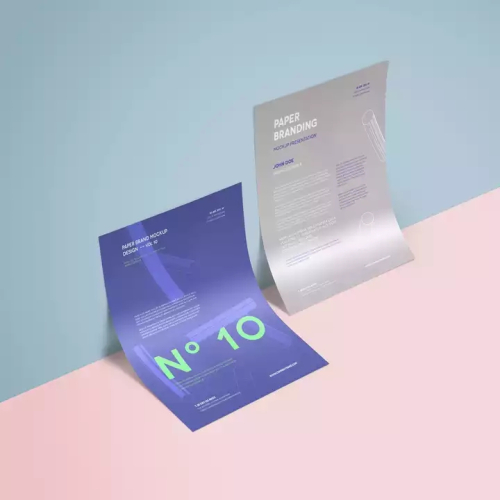
The 9 mil dry erase poster option provides a paper-based format for custom printed layouts with writable areas. It can be evaluated for indoor planning graphics, promotional posters, and presentation displays supported by a flat backing. The underlying poster stock is primarily intended for indoor use. Specify the dry erase finish and an arrangement that leaves the writing surface accessible.
How Should Buyers Choose the Right Dry Erase Format and Material?
Buyers should choose a dry erase format by matching the writing task, available support, movement requirements, and exposure conditions. Start with how the customer will use the sign, then select the material and display arrangements that support that use.
Rigid Boards vs. Flexible Vinyl, Magnets, and Posters
Rigid boards provide a panel structure, while flexible vinyl, magnetic sheets, and posters depend more directly on the surface behind them. Both groups need adequate support during writing and erasing.
Portable Displays vs. Fixed Writing Surfaces
Portable displays suit projects that require relocation, while fixed writing surfaces suit recurring use in one place. An A-frame or supported presentation board can move between locations; an installed adhesive graphic remains part of its receiving surface.
Include the complete display in the comparison. Consider its packed dimensions, support hardware, storage space, and the frequency with which staff will move or replace it.
Indoor Use and Outdoor Exposure Requirements
Outdoor use requires checking the substrate, printed finish, mounting arrangement, and handwritten message separately. Follow the indoor-use specifications for the listed A-frame and foamcore products.
For products that list outdoor use, assess the actual exposure. A weather-resistant substrate does not establish that erasable writing will withstand rain or repeated contact. Describe the intended location and message duration when confirming suitability.
Where Are Custom Dry Erase Signs Used in Commercial Projects?
Custom dry erase signs suit commercial projects where an established layout must display frequently changing information. Applications include customer-facing promotions, workplace coordination, classroom organization, and event communication.
Retail Promotions and Restaurant Specials
Retail and restaurant displays can use fixed branding alongside changing prices, offers, availability, and daily specials. For example, a retailer could print a consistent promotion heading and leave space for the current product and price.
For agencies supplying several locations, a shared printed layout can establish consistent branding while each location fills in its own information. Define which details need local updates before finalizing the design.
Office Planning and Operational Tracking
Office planning displays can organize recurring information such as assignments, meeting schedules, job stages, and completion status. Printed columns give each entry a consistent location, while staff revise the handwritten details as work progresses.
A useful planning layout follows the team’s actual workflow. A production board might need fields for job number, due date, responsible person, and status; a meeting board might need time, room, and organizer.
Classroom Schedules and Reusable Learning Displays
Classroom displays can combine printed schedules, activity headings, or exercise frameworks with information that changes during lessons. A weekly organizer could retain weekday labels while teachers update activities and reminders.
For buyers supplying educational clients, identify whether the display will serve a whole room, a small group, or an individual activity. That decision guides the amount of information, writable space, and required viewing distance.
Trade Show Presentations and Event Information
Trade show and event displays can present changing demonstration times, session details, booth activities, and service information within a consistent branded design. Staff can update temporary details as the event progresses.
For recurring events, place reusable company information in the printed artwork and reserve handwritten fields for event-specific details. This keeps the layout useful when schedules or locations change.
How Should Buyers Design Printed Layouts for Repeated Writing and Erasing?
Buyers should design dry erase layouts around the information users will repeatedly enter, read, and remove. Establish the fixed content first, allocate enough writable space, and check the completed design against the selected product’s production requirements.
Separate Branding from Writable Areas
Separate branding from writable fields by assigning each a clear position in the layout. Place logos, permanent instructions, and section headings where they remain easy to identify when the sign is filled in.
Use a plain, contrasting background for handwritten entries. Keep decorative imagery out of areas intended for routine writing, and provide enough space around field labels for users to erase entries comfortably. A blank master layout should still make the intended use of each field clear.
Plan Writing Space, Contrast, and Viewing Distance
Writing space should accommodate realistic entries, the intended marker width, and the distance from which people will read the display. Test the longest expected product name, task description, or appointment entry before approving the layout.
Create a full-size sample of a representative section and fill it in by hand. Check line spacing, column width, contrast, and whether users can reach the required fields. View it from the intended reading position and under similar lighting. This reveals practical problems that an empty design on a monitor can conceal.
Confirm Dimensions, Print Sides, and Production Files
Confirm the finished dimensions, orientation, quantity, artwork version, printed faces, and writable faces before submitting production files. Check any frame overlap or mounting area so essential text and writing fields remain visible.
777Sign recommends print-ready PDF artwork and CMYK preparation whenever possible. Buyers are responsible for checking spelling, dimensions, layout, QR codes, and other artwork details. When an email proof is available and selected, review it before approval; proof approval does not mean the artwork has been checked or corrected by 777Sign. 777sign.com
For projects with several designs or locations, give each artwork version a clear identifier and match it to the required size and quantity.
How Should Dry Erase Signs Be Cleaned and Maintained?
Maintain dry erase signs with compatible markers, appropriate cleaning, and handling that protects the writing face. Base the care routine on the finished surface and substrate so repeated use preserves legibility.
Use Compatible Dry Erase Markers
Use dry erase markers approved for the finished writing surface, and test a small area before filling the display. Check that the ink writes clearly and erases as expected. Keep the selected marker type consistent when several people share the sign.
Permanent markers, wet-erase markers, and liquid chalk should only be used if the finished-product instructions specifically permit them. Give end users the relevant marker and care guidance with the display.
Manage Ink Residue and Ghosting
Manage ink residue by erasing outdated messages promptly and cleaning according to the finished surface’s instructions. Ghosting is a visible trace left after writing has been erased. If residue remains, use a cleaner approved for that surface instead of increasing scrubbing pressure.
Marker formulation, surface condition, and cleaning practices affect performance. Avoid abrasive tools and unapproved chemicals. If an approved cleaning method no longer restores a readable surface, assess whether the writing face needs replacement.
Protect the Surface During Handling and Storage
Protect the writing face and panel edges from scratches, creases, and impact during transport and storage. Keep foamcore boards dry and supported, and avoid placing heavy objects on them. Store magnetic signs flat as directed by the product guidance.
For repeat event use, inspect the surface and supports before each deployment. Replace damaged components when they interfere with stable writing, clear messages, or secure display.