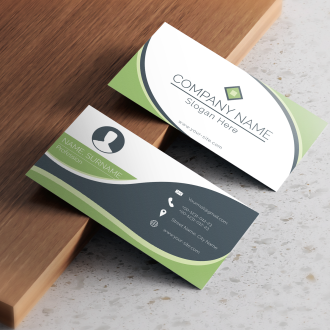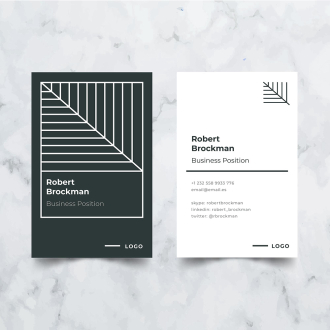

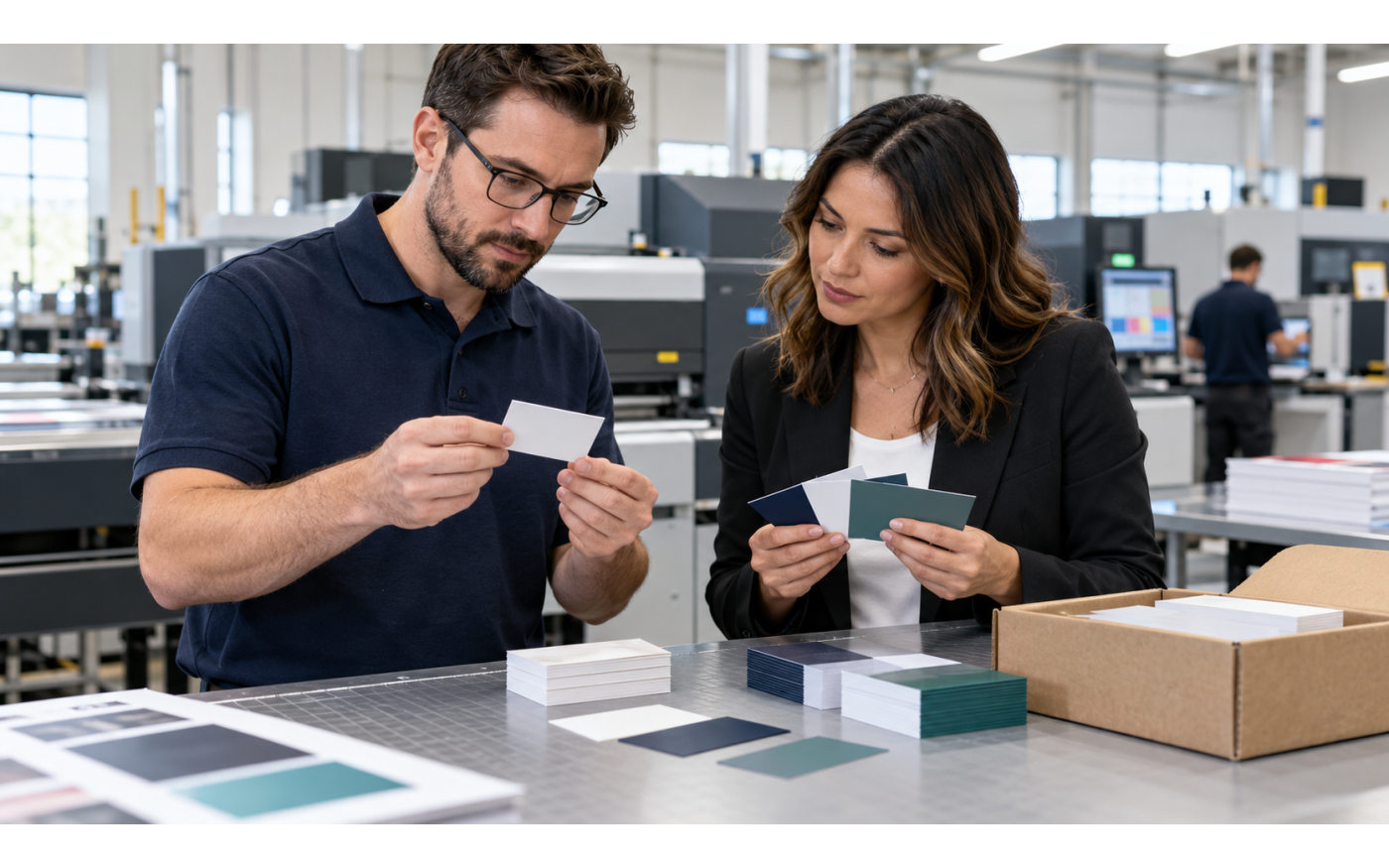
Standard business cards often cost between $20 and $100 per order in the United States. The final price depends on the number of cards, cardstock, printed sides, finish, production time, and shipping.
Larger orders usually have a lower cost per card, but they also require a higher total payment. Premium paper and special finishes can improve the final product, but they may not be necessary for every project.
The lowest advertised price may not include design work, rush production, tax, or delivery. To compare printing options fairly, check the complete order cost based on the same specifications.
This guide covers typical price ranges, the main cost factors, possible extra charges, and practical ways to control your budget.
Typical Printing Costs by Order Size
The following ranges can help you plan a budget for standard 2 × 3.5-inch business cards. They assume basic or midrange cardstock, full-color printing, print-ready artwork, a standard finish, and normal production.
| Quantity | Estimated Price Range | Estimated Cost per Card |
|---|---|---|
| 100 | $15 to $50 | $0.15 to $0.50 |
| 250 | $20 to $65 | $0.08 to $0.26 |
| 500 | $25 to $100 | $0.05 to $0.20 |
| 1,000 | $40 to $160 | $0.04 to $0.16 |
| 2,500 | $70 to $250 | $0.03 to $0.10 |
These figures are for budget planning, not guaranteed quotes. Actual prices vary based on the printer, quantity, cardstock, printed sides, finish, turnaround, and shipping. Premium materials or custom options can increase the final cost.
The price per card usually falls as the quantity increases. This happens because file setup, production preparation, cutting, and quality checks are spread across more cards.
However, the lowest unit price is not always the best value. Ordering 2,500 cards may reduce the cost per card, but it can also create waste if an employee changes roles or the company updates its branding.
Compare the total order cost with the number of cards your team is likely to use. A smaller order may have a higher unit price but a lower risk of unused inventory.
What Affects the Base Printing Price?
The base printing price mainly depends on order quantity, cardstock, printed sides, and finish. Each choice affects both the total cost and how the finished card looks and feels.
Order Quantity
Short print runs usually have a higher cost per card because the printer must prepare the files, set up production, and cut the cards regardless of quantity. Larger orders spread those costs across more pieces, which lowers the unit price.
However, a lower unit price does not always mean better value. Large orders may create waste if employee details, contact information, or company branding change. Choose a quantity your team can reasonably use before the cards become outdated.
Cardstock and Thickness
Cardstock affects the price, durability, and overall feel of a business card. Basic stock is usually more affordable, while thicker or specialty materials cost more.
Common options include 14 pt., 16 pt., and extra-thick cardstock. For regular business use, 16 pt. cardstock provides a practical balance of strength, appearance, and price. It feels professional without becoming too bulky to carry or store.
Textured, recycled, plastic, and other specialty stocks may suit certain brands, but they are not necessary for most everyday orders.
Single or Double Sided Printing
Single-sided printing works well for a simple card with a name, job title, logo, phone number, email address, and website.
Double-sided printing provides extra space for a QR code, booking link, service list, or short brand message. It can make the card more useful without crowding the front.
Some printers include double-sided color in the standard price, while others charge extra. Check the product options before placing the order, and only use the second side when it adds useful information.
Coatings and Special Finishes
Standard matte or gloss finishes are usually more affordable than premium treatments. Options such as UV coating, soft-touch lamination, foil, spot UV, and rounded corners can increase the price and may require more production time.
Gloss and UV coatings can make colors look brighter while adding surface protection. An uncoated area may be more practical when employees need to write notes on the card.
Choose a finish that fits the brand and the way the card will be used. Clear content, durable cardstock, and good print quality should come before decorative upgrades.
Extra Costs to Check Before Ordering
The advertised printing price may not include design work, rush production, shipping, or tax. Check the complete order total before comparing suppliers.
Design and File Preparation
Most base prices assume that the artwork is ready to print. Creating a new layout, fixing a low-resolution logo, adding bleed, or preparing different employee versions may cost extra.
Using the printer’s template can reduce file problems and correction fees. Agencies and print resellers should also include design time, revisions, and file preparation in the customer quote.
Rush Production
Same-day or rush production may cost more than standard service. It is also important to separate production time from delivery time. Same-day production does not always mean same-day arrival.
Submit files early enough for review, proof approval, printing, and shipping. Planning ahead can reduce rush fees and leave time to correct mistakes.
Shipping and Tax
Shipping costs vary by delivery speed, destination, package weight, and the number of addresses. Sales tax may also increase the final amount.
Local pickup can reduce delivery time and shipping costs. Trade buyers may also need blind shipping when orders are sent directly to customers.
Compare the final delivered cost rather than the advertised starting price.
How to Save Money Without Lowering Quality
Good planning can reduce costs without making the finished cards look cheap. Start with the standard 2 × 3.5-inch size and choose a practical stock, such as 16 pt. cardstock, instead of paying for a custom shape or extra-thick material.
Order a quantity your team can use before employee details or branding change. Larger runs lower the cost per card, but unused cards create waste.
Only pay for options that add value. Double-sided printing is useful when the back includes a QR code or clear call to action, while premium finishes should support a specific brand need.
Use the printer’s template and submit print-ready artwork. Correct sizing, bleed, and image quality can prevent file fees, production delays, and costly reprints.
Trade Business Card Printing From 777Sign
777Sign provides horizontal business card printing for registered trade customers. Its 16 pt. cards use the standard 2 × 3.5-inch size and support single or double-sided printing.
Customers can select optional UV coating, design proofs, standard turnaround, or qualifying same-day production. Orders can be shipped or collected through factory pickup. Blind shipping is also available when an order needs to go directly to an end customer.
Downloadable AI, PDF, and PSD templates help designers prepare files at the correct size before production.
Visit the 777Sign 16 pt. horizontal business card page to choose the quantity, printed sides, finish, proof option, and turnaround. Registered trade customers can view current pricing based on their selected specifications.
Final Thoughts
Business card prices depend on more than the number of cards in the box. Quantity, cardstock, printed sides, finish, file preparation, production speed, shipping, and tax can all change the final cost.
Compare orders using the same specifications and focus on the complete delivered price. A larger order may offer a lower unit cost, but a smaller order can reduce waste when employee information or branding may change.
For most everyday projects, a standard-size card, durable cardstock, clear printing, and a simple finish provide a good balance of price and quality.
Frequently Asked Questions
What Is the Standard Business Card Size?
The standard business card size in the United States is 2 × 3.5 inches. It fits most wallets, card holders, and common printing templates.
Can Several Employee Designs Be Ordered at Once?
It depends on the printer. Different names or designs may be treated as separate jobs, even when they use the same company layout. Check the ordering rules before calculating the total quantity.
How Often Should a Company Reorder Business Cards?
Reorder based on actual use rather than a fixed schedule. Check inventory before major events and whenever employee details, office locations, or company branding change.
Is Online Printing More Cost Effective for Bulk Orders?
It often can be. Online trade printers may offer stronger quantity pricing and more production options. Compare cardstock, finishes, turnaround, shipping, and the final delivered cost before placing an order.