
Stickers
Kiss-cut Stickers
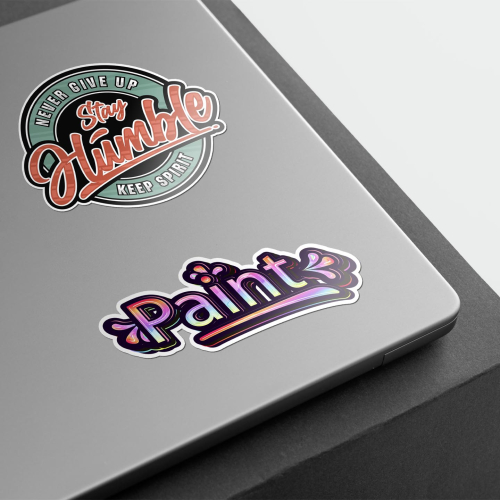
KISS-CUT Holographic Stickers
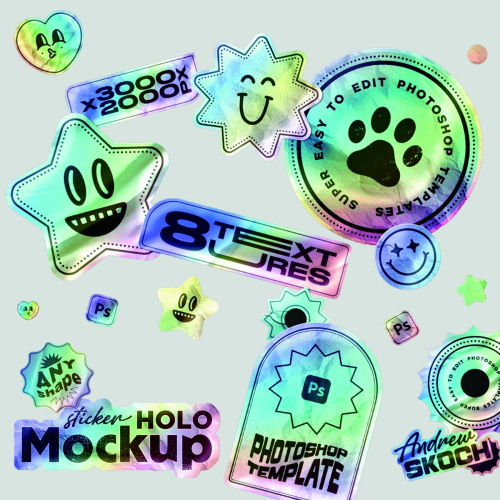
Wholesale Kiss-Cut & Holographic Stickers for Trade Buyers
Custom stickers turn brand artwork into adhesive graphics for packaging, merchandise, and promotional campaigns. Their usefulness depends on more than the printed image: the cutting structure affects handling, the material influences appearance, and the application surface determines whether the sticker suits its intended use.
For print shops, sign shops, agencies, and resellers, selecting the right combination means matching the client’s design, placement, and campaign requirements with suitable product specifications and a practical production schedule.
What Custom Kiss-Cut and Holographic Stickers Does 777Sign Offer?
777Sign offers two products in this category: Kiss-Cut Stickers and Kiss-Cut Holographic Stickers. Both support custom printed designs and kiss-cut construction, while the holographic version adds a shifting rainbow appearance. These options give trade buyers a choice between conventional printed graphics and a more reflective visual treatment for customer projects.
Kiss-Cut Stickers
Kiss-Cut Stickers are custom printed vinyl stickers with a matte finish and a cut outline based on the requested design. Buyers can supply a company logo, illustration, or promotional graphic to create a sticker suited to the available product configurations.
This option keeps the emphasis on the printed image rather than a holographic background. It provides a starting point for projects in which the customer wants a recognizable brand mark or a straightforward graphic treatment. Choose the finished dimensions and contour around the actual design instead of treating every logo as suitable for the same sticker size.
Kiss-Cut Holographic Stickers
Kiss-Cut Holographic Stickers combine custom printed artwork with holographic vinyl and kiss-cut construction. The material produces a rainbow-like effect that changes with illumination and viewing angle.
This version makes the underlying material part of the design. Buyers should consider how much of that effect they want visible and how it interacts with the printed artwork before choosing it for a client project.
What Does Kiss-Cut Mean for Custom Stickers?
Kiss-cut means that the cut passes through the sticker face material and adhesive without cutting through the supporting release liner along that same outline. The printed sticker can therefore be peeled away while its backing remains behind. This describes the cutting structure, not the material’s color, finish, or adhesive removability.
How Does the Release Liner Support Peeling and Handling?
The release liner supports the sticker before application and covers the adhesive until the sticker is peeled away. It gives the user a backing to handle without touching the exposed adhesive surface.
Where the backing extends beyond the sticker outline, that extra area can help with handling during distribution and peeling. However, the term kiss-cut does not specify a particular backing size or outer shape. Confirm the delivered format if the client needs stickers to fit a packaging insert, presentation card, or other defined space. The liner is discarded rather than applied with the sticker.
How Does Kiss-Cut Differ from Die-Cut Sticker Presentation?
In common sticker product terminology, kiss-cut presentation retains the supporting liner beneath the sticker outline, while die-cut presentation typically follows an outer contour through both sticker and backing. The difference concerns how the finished piece is supplied, not whether its artwork can have a custom shape.
A kiss-cut sticker can still follow a logo or illustration contour. Choosing a custom outline does not automatically require a separately shaped backing, and neither cutting format alone establishes greater durability or stronger adhesion.
How Do Standard Vinyl and Holographic Stickers Differ in Appearance?
Standard vinyl stickers display the printed design without a holographic rainbow effect, while holographic stickers combine the design with a light-responsive background. The choice depends on whether the client wants the artwork itself or the interaction between artwork and material to lead the visual presentation.
Conventional Printed Graphics vs. a Shifting Rainbow Effect
Conventional printed graphics emphasize the image, typography, and layout, whereas holographic material introduces changing highlights and colors. The same design can therefore create different impressions across the two products.
For a logo-focused project, evaluate whether the special effect supports the brand’s identity or distracts from essential information. A decorative illustration may accommodate more visible background than a small label containing several lines of text. Review the design at its intended size rather than judging only an enlarged screen image.
How Does Printing Without White Ink Affect Holographic Artwork?
Without white ink, artwork cannot rely on an opaque white printed layer to hide the holographic background. 777Sign’s holographic sticker description specifies that white ink is not used, so white elements in a digital design should not be expected to become solid white printed areas.
Plan the artwork around the available printing process rather than a white-underbase technique offered elsewhere. Review light-colored elements, negative space, and important lettering carefully. If a customer’s design requires opaque white details, confirm an appropriate alternative before placing the order.
What Should Buyers Confirm About Matte and Gloss Finishes?
Buyers should confirm which surface finish is available for their selected sticker configuration. A matte or gloss finish describes surface sheen; holographic describes the underlying visual effect. These are separate attributes.
The standard sticker description specifies matte. The holographic description mentions gloss lamination and also lists matte and gloss finishes, so confirm the actual order option before quoting a particular finish to a client. In general, gloss creates stronger surface highlights, while matte reduces glare. Neither finish eliminates the need to evaluate the design on its intended material.
How Should You Choose Sticker Size, Shape, and Artwork Layout?
Choose sticker dimensions, contours, and layout around the available application area and the information the design must communicate. A usable specification accounts for the finished piece, not just the appearance of the artwork on a monitor.
Match the Finished Sticker Size to the Application Area
The finished sticker should fit the intended placement without covering necessary information or extending into folds, seams, and other unsuitable areas. Measure the usable space on the actual package or item before selecting an available size.
For an irregular outline, check both its overall width and height. A wide logo may need a different footprint from a circular emblem even when they contain similar amounts of detail. A paper mockup at final size can help a client assess placement and proportion, although it does not test adhesion. Keep sticker dimensions distinct from backing dimensions when planning how the product will be distributed.
Plan Custom Contours, Borders, and Readable Details
Custom contours should support the design without creating unnecessary cutting complexity. Simplify extremely narrow sections, sharp projections, and intricate outlines where they do not contribute meaningfully to the image.
Check small text and narrow borders at finished size. Essential content needs space inside the cutting boundary, while artwork intended to reach the edge needs bleed beyond it. If a sticker includes a QR code, assess the final printed result on the intended material and surface; a successful screen scan does not establish performance on a small, curved, or reflective finished sticker.
Prepare Print-Ready Artwork and Cut Paths
Print-ready artwork needs a clear separation between the image to be printed and the path used for cutting. Follow the current 777Sign Die-Cut Printing Guide, which is linked from the standard sticker product page.
The guide calls for separate artwork and vector cutline files with matching document dimensions, orientation, and alignment. Cutting paths must be closed and continuous, without duplicate paths; a raster image is not a substitute for a vector cutline. Use the guide’s current bleed and safe-area requirements, and keep the cutting outline out of the printed image. Review image clarity at final size before submission.
How Are Custom Stickers Used in Business Branding and Promotions?
Custom stickers support business branding through packaging identification, retail merchandise, and promotional distribution. For trade buyers, the project determines what the sticker must communicate, where it will be used, and how many finished pieces the client needs.
Logo Stickers and Branded Product Packaging
Logo stickers add brand identification to compatible packaging surfaces, including the exterior of boxes, bags, and other containers. They can carry a company mark, product name, or short message without requiring the same graphic to be printed directly onto every package.
Plan the sticker alongside the existing packaging layout. Keep required product information visible and account for folds or handling areas that could interfere with placement. A branded packaging sticker is not automatically a tamper-evident seal or a certified food-contact label. Projects with those requirements need separate confirmation of suitability.
Retail Merchandise and Reseller Sticker Collections
Printed stickers can serve as standalone retail merchandise or as part of a client’s branded product collection. Resellers and agencies can coordinate illustrations, campaign graphics, or related logo designs across a series.
For a collection, maintain a consistent approach to typography, proportions, and presentation while allowing each design its own dimensions. Plan how the client will display and package the finished pieces. Selling several designs together does not establish that they can be ordered as one mixed-design print job or supplied already assembled into retail packs; confirm those requirements separately.
Event Giveaways and Promotional Campaigns
Promotional stickers provide a printed brand item for distribution at trade shows, launches, retail events, and customer campaigns. The design may feature the organizer, sponsor, product, or campaign message.
Decide whether the sticker will be handed out directly, included in a purchase, or placed inside an event pack. That decision affects the useful dimensions, quantity, and supporting packaging. Prioritize a recognizable message over excessive contact details, especially on smaller designs. Distribution creates an opportunity for brand exposure, but it does not guarantee that recipients will apply the sticker or respond to the campaign.
What Should Buyers Know About Sticker Adhesion and Durability?
Sticker suitability depends on the adhesive, application surface, and conditions of use, not simply on whether the product is vinyl or holographic. Confirm the client’s expectations for attachment, exposure, and eventual removal before recommending a configuration.
Match the Adhesive to the Intended Surface
Adhesive performance depends partly on the material and condition of the surface receiving the sticker. Texture, coatings, contamination, and curvature can all affect contact and bonding.
Do not assume that two visually similar packages will behave the same way. A coated carton, textured container, and smooth plastic item can present different adhesion requirements. For unfamiliar surfaces or larger client programs, evaluate a representative sticker on the actual item under expected conditions before committing to the full application. Any cleaning method should also be compatible with the receiving surface; aggressive preparation can damage a finish even before a sticker is applied.
Evaluate Moisture, Sunlight, and Handling Exposure
Moisture, sunlight, and repeated handling create different performance demands. Describe the expected environment when checking suitability: occasional splashes, continuous outdoor exposure, and repeated washing are not equivalent conditions.
Water resistance should not be treated as approval for immersion or dishwasher use. Likewise, scratch resistance does not mean a surface cannot be damaged, and outdoor suitability does not establish an unlimited lifespan. For promotional items such as reusable bottles, confirm the intended care conditions rather than assuming that suitability for a dry surface includes every cleaning routine.
Confirm Removal Expectations Before Application
Removal requirements should be established before a sticker is applied, particularly on valuable items, painted finishes, or temporary promotional surfaces. Easy separation from the release liner does not mean easy removal from the final application surface.
If the client needs repositioning, reuse, or removal without residue, confirm that requirement specifically. Neither kiss-cut construction nor a holographic appearance establishes those adhesive properties. A trial on a representative surface can inform the decision, but short-term results should not be treated as a guarantee of the same removal behavior after extended exposure.