


Boards and Magnets (New)
Coroplast Board

30 Mil. Magnet


Aluminum PVC Board

PVC Board

Acrylic Board
Adhesive Vinyl
Kiss-cut Stickers
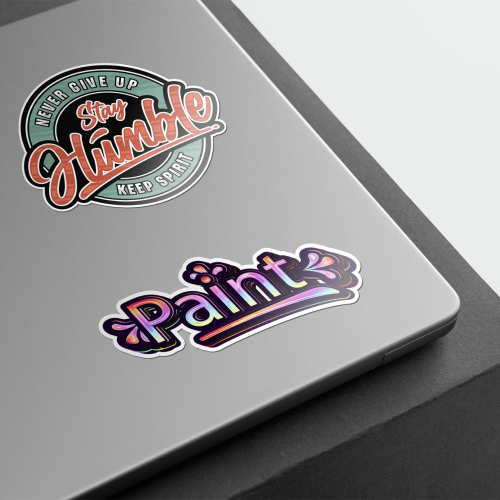
4Mil Adhesive Vinyl
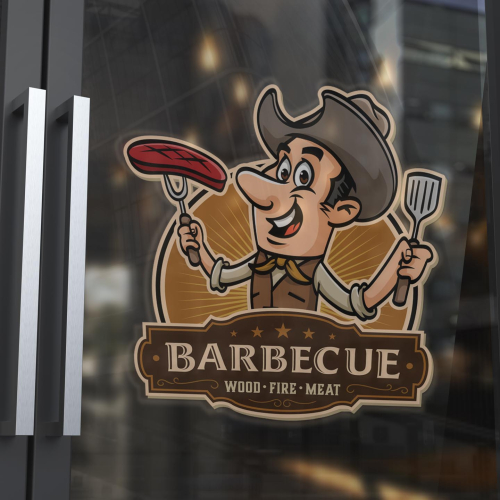
Etched Frosted Vinyl

Clear Vinyl Diecut
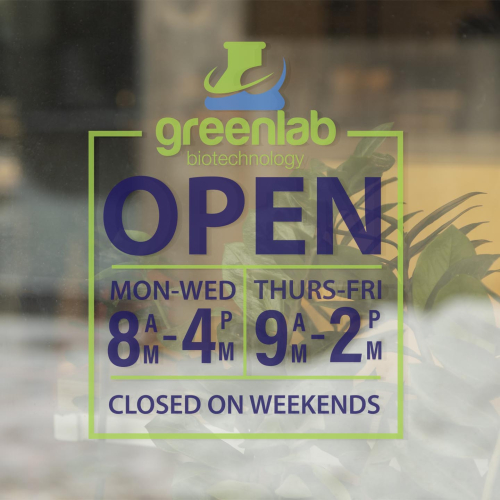
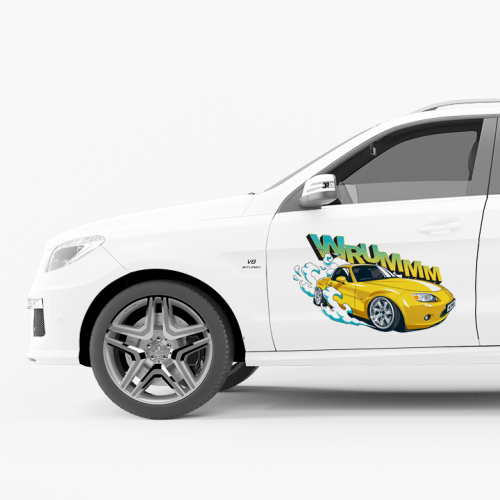
Reflective Adhesive Vinyl
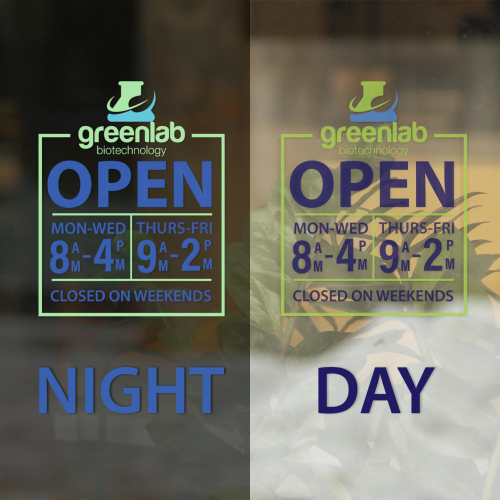
Window Perf
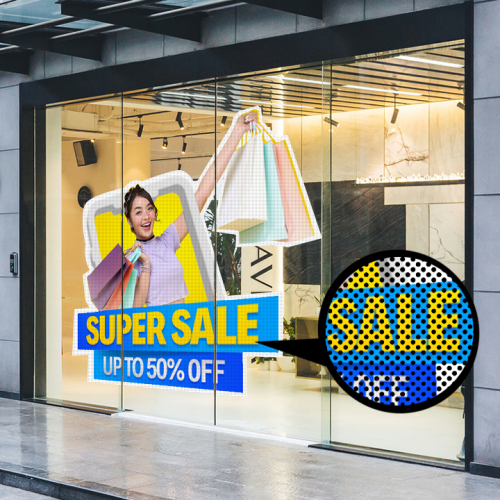
Indoor Wall

White Window Cling
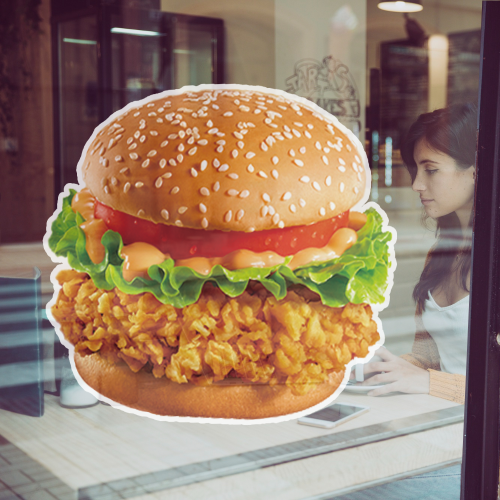
Stickers
Kiss-cut Stickers
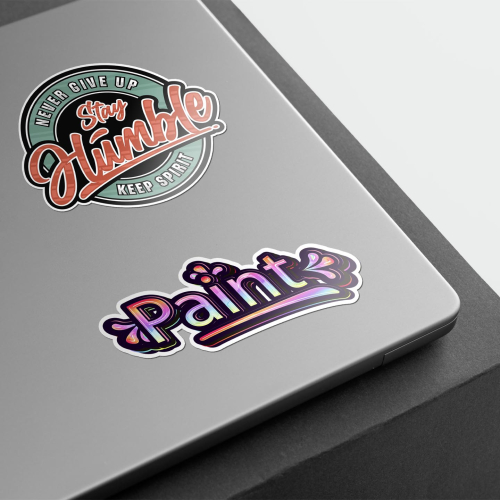
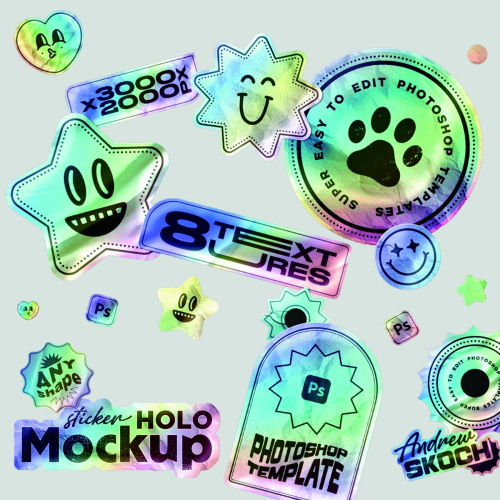
KISS-CUT Holographic Stickers
Vinyl Banner
13oz Vinyl Banner

18oz Vinyl Banner

Wholesale Custom Contour-Cut Signs & Graphics for Trade Buyers
Custom contour-cut signs and graphics combine printed artwork with a specified outline to create branded shapes for commercial displays. A successful result brings the design, material, finished dimensions, and intended application together. The same logo may need a rigid panel for a display, an adhesive graphic for a surface, or a sticker for distribution.
For print shops, sign shops, agencies, and resellers, choosing the appropriate format also means planning the cut structure, production files, and order specifications around the client’s campaign.
What Custom Contour-Cut Signs and Graphics Does 777Sign Offer?
777Sign’s contour-cut collection covers four product groups: Boards and Magnets, Adhesive Vinyl, Stickers, and Vinyl Banner. These categories provide different ways to turn printed designs into custom-shaped signs, surface graphics, and promotional pieces.
Boards and Magnets
Boards and Magnets includes printed panel materials and flexible magnetic signs. The collection covers Foamcore, Gator Foam, PVC, Aluminum PVC Core, Coroplast, acrylic, and 30 mil magnetic material.
Board products provide a panel format for shaped display graphics. Magnetic signs use a flexible backing that attaches to compatible surfaces. These are different constructions within the same collection, so choose the product around the intended placement and handling requirements. Where lamination is available, treat it as a finishing option for the selected product.
Adhesive Vinyl
Adhesive Vinyl provides printed graphics that attach to suitable surfaces through an adhesive backing. The collection includes standard adhesive vinyl, air-release options, clear and frosted films, reflective vinyl, perforated window graphics, and indoor wall graphics.
These products offer different appearances and application characteristics for custom branding. Select a film for the receiving surface as well as the printed design. White static cling also appears in the collection as a related window product, but it does not use a pressure-sensitive adhesive backing.
Stickers
Stickers includes standard kiss-cut vinyl stickers and holographic kiss-cut stickers for custom printed branding and promotions. Their supporting liner remains behind the sticker until application.
Standard vinyl keeps the emphasis on the printed image, while holographic material adds a changing visual effect under light. Both can serve projects such as logo stickers, exterior packaging labels, and promotional handouts. Consider the application area and the amount of information in the design when choosing the finished size.
Vinyl Banner
The contour-cut Vinyl Banner range includes 13 oz and 18 oz printed banners made with custom outlines. These flexible graphics give buyers an option when the display calls for a shaped banner rather than a rigid panel or adhesive decal.
Plan the outline together with the intended support and finishing arrangement. A flexible banner needs a display method that presents the design appropriately. Review the available configuration for the selected material and shape, particularly where the design includes narrow areas or unusual edges.
What Is the Difference Between Contour Cutting, Through Cutting, and Kiss Cutting?
Contour cutting describes the path followed to create a shape. Through cutting and kiss cutting describe how deeply the material is cut. These terms address different parts of the production specification.
Custom Outlines Define the Finished Shape
A custom outline defines the boundary of the finished graphic. It can follow a logo silhouette, surround a printed illustration, or leave a deliberate border around the design.
The outline does not need to reproduce every small detail in the image. For example, a detailed product photograph can sit inside a simpler enclosing shape. This lets the printed image carry fine visual information while the outer edge provides the overall profile.
Suppliers use “die-cut” in different ways. When discussing an order, describe the required finished result rather than assuming the term identifies a particular cutting machine or physical die.
Cutting Depth Determines Whether the Liner Remains Intact
Kiss cutting cuts through the sticker face and adhesive while preserving the supporting liner beneath that outline. Through cutting separates the material through its thickness; for a lined adhesive product, this can include the backing.
A kiss-cut sticker can therefore have a custom contour. Choosing a shaped graphic does not automatically mean the backing follows the same edge. Confirm the supplied format if the client needs individual pieces, a particular backing shape, or another specific presentation.
How Do You Choose Materials for Custom Contour-Cut Graphics?
Choose materials by matching the required structure, application surface, exposure, and appearance. The printed design identifies the message; the substrate and backing determine how the graphic can be handled and displayed.
Rigid Panels, Flexible Films, and Magnetic Graphics
Rigid panels provide a board format, while adhesive films rely on the receiving surface for support. Magnetic graphics also need a compatible supporting surface. Flexible banners require an appropriate display arrangement.
This distinction matters when quoting a project. A printed cutout does not automatically include a stand, and a magnetic graphic will not attach to every metal surface. Start with the required finished form before comparing individual materials.
Surface Compatibility for Adhesive Graphics
Adhesive compatibility depends on the film, adhesive, and actual surface condition. Glass, painted walls, coated panels, and textured surfaces present different application requirements.
Identify the surface material and coating before selecting the graphic. Also consider whether the campaign requires eventual removal, since removability is a separate product characteristic.
Air-release describes an installation-related feature that helps trapped air escape during application. It does not, by itself, establish residue-free removal, suitability for every painted surface, or the ability to conform to complex vehicle curves. Use the specifications of the selected film to evaluate those requirements.
Indoor and Outdoor Exposure, Thickness, and Finish
Exposure, thickness, and finish affect different aspects of the finished display. Exposure guides material suitability, thickness influences the panel’s construction and fit, and finish changes the surface appearance.
Conventional paper-faced foamcore is an indoor display choice. Outdoor projects require an appropriate material and installation arrangement. Adding a laminate does not automatically make an indoor board suitable for prolonged rain exposure.
For laminated products, select from the finishes actually offered. Consider glare, handling, and the desired appearance, while keeping the substrate’s limitations in view. Neither thickness nor surface sheen alone establishes a service life for the complete sign.
How Do Shape and Size Affect a Contour-Cut Design?
Shape and size affect how the design reads, how its parts remain connected, and whether the proposed geometry suits the material. Evaluate the finished object at its intended dimensions before treating a screen layout as ready for production.
Define Overall Width, Height, and Intended Viewing Distance
Define overall width and height using the outermost points of the intended finished contour. For an irregular shape, these dimensions describe its bounding area rather than the amount of material inside the outline.
Check the available display space and viewing direction. A wide logo may fit the allotted width but leave limited height for small lettering. A promotional graphic viewed from farther away needs a simpler information hierarchy than a sticker examined at close range.
Record the dimensions in the order specification so the client, designer, and production team are working toward the same finished size.
Simplify Narrow Sections, Sharp Points, and Small Details
Simplify fragile or intricate parts of the outline when they do not contribute meaningfully to the finished display. Extremely narrow connections, sharp projections, and tiny details may be difficult to produce or vulnerable during handling.
A logo that works as a digital image may need a different enclosing contour when produced as a physical cutout. Review that adaptation with the client before finalizing the production design.
Plan Connected Shapes and Separate Pieces
Decide whether the design should become one connected piece or several separate components. Letters, floating logo elements, and interior spaces can change the physical result.
A shared surrounding shape can keep several printed elements together. Separate cut pieces create a different delivery and placement requirement. Identify which spaces are printed background and which are intended openings, then confirm whether the chosen product supports that construction. Specify any required application or positioning assistance separately rather than assuming it accompanies the print.
Where Can Custom Contour-Cut Signs and Graphics Be Used?
Custom contour-cut signs and graphics serve retail promotions, storefront branding, interior displays, trade shows, and promotional campaigns. The shape can relate directly to the brand or product, while the material determines the appropriate display format.
Retail Promotions and Point-of-Purchase Displays
Retail promotions can use shaped graphics to represent a featured product, highlight an offer, or identify a branded display area. A product silhouette, for example, can connect the physical outline with the item being promoted.
Plan the main message around the shopper’s likely viewing position. A display viewed across an aisle needs a different level of detail from a graphic beside merchandise. Keep the offer and product identity readable within the chosen outline.
Storefront, Window, and Interior Branding
Storefront and interior graphics can carry logos, business information, and campaign artwork onto suitable windows, doors, walls, or display surfaces.
Coordinate the graphic with its surroundings. Glass graphics may need an appearance that works with the background seen through the window, while wall graphics need enough contrast against the existing paint. Select the product for that specific surface and decide which direction the printed message needs to face before preparing the artwork.
Trade Shows, Events, and Promotional Campaigns
Trade show and event campaigns can combine shaped panels, surface graphics, banners, and handout stickers around one visual theme. Each format serves a different viewing or distribution task.
For example, a larger graphic can identify a product display, while a smaller sticker carries the same campaign artwork away with a visitor. Adapt the layout to each format instead of reducing the entire large-format design unchanged. Plan packing and placement around the finished pieces, especially where multiple graphics belong to one display.
What Should Trade Buyers Specify for Wholesale Contour-Cut Orders?
Trade buyers should specify the product, material, dimensions, shape, finish, quantity, and required timing for each version. A complete specification connects the client’s design with a clearly defined printed deliverable.
Match Material, Dimensions, Finish, and Quantity Across Versions
Keep each print file paired with its matching cutline and order details. For a campaign with several locations or designs, use identifiers that distinguish the version, size, and material.
A practical order record includes:
Product category and selected material.
Finished width and height.
Artwork version and corresponding cutline file.
Available finish and required cutting or backing format.
Quantity for each design and size.
Delivery destination and required arrival date.
Compare quotations using equivalent specifications. A larger panel, different material, or different supplied format changes the job being purchased. Retain approved production files and the associated specifications so a later reorder can be identified accurately.
Confirm Production Requirements and Delivery Timing
Confirm unusual shapes, sizes, or presentation requirements before committing to a client schedule. Complex geometry or incomplete files may require clarification before the order can enter production.
777Sign’s production timing starts after the necessary artwork is supplied, any required proof is approved, and the order is released to production. Shipping follows production and has a separate transit period. Expedited shipping does not shorten production unless an expedited production option is also ordered.
Work backward from the installation or campaign date, allowing time for file preparation, approval where required, manufacturing, delivery, and receipt checks. Confirm the available options for the actual order before promising a completion date.